


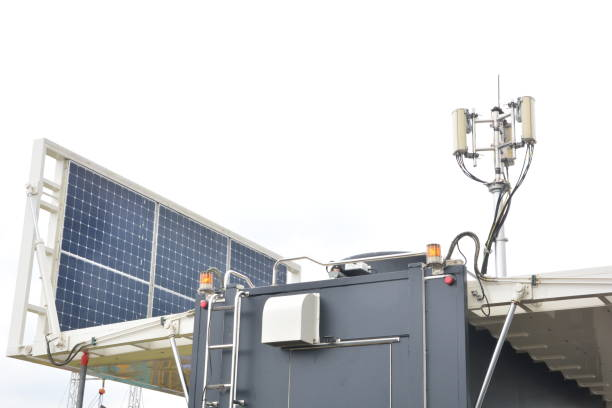
Solar-powered trailers have become an essential solution for industries operating in remote or off-grid environments. SCS SUNTECH, a trusted provider of advanced solar communication and lighting trailer solutions across Australia, supports industries such as mining, construction, emergency response, and large-scale events with reliable off-grid power systems. However, to ensure these systems continue delivering optimal performance, proper Solar Trailer Maintenance is essential. Regular inspections, routine trailer servicing, and proactive preventive maintenance help keep solar trailers operating efficiently for years.
From providing reliable lighting to supporting Wi-Fi communication systems and satellite connectivity, solar trailers play a critical role in modern field operations. Because these units are often deployed in demanding environments, a structured maintenance approach is necessary to prevent downtime, maintain safety, and maximise equipment lifespan.
For operations managers and technicians responsible for field infrastructure, implementing an effective preventive maintenance program ensures that solar trailers consistently deliver dependable power and connectivity.
Understanding the Importance of Solar Trailer Maintenance
Solar trailers are engineered to deliver reliable off-grid power through renewable energy. They often support critical functions such as lighting plants, Wi-Fi communication systems, satellite connectivity, and monitoring equipment. Because these systems are deployed in remote areas, any malfunction can interrupt operations and delay projects.
Routine Solar Trailer Maintenance offers several important benefits.
First, it ensures reliable energy generation. Solar panels must remain clean and unobstructed to capture sunlight efficiently. Dirt, dust, or debris can reduce output significantly if left unattended.
Second, proper maintenance protects battery performance. Solar-powered trailers rely heavily on battery storage to provide power during nighttime or low sunlight conditions. Regular inspection and battery health monitoring help prevent unexpected power loss.
Third, consistent maintenance improves safety. Trailers operate in rugged conditions where vibration, weather exposure, and heavy use can affect structural integrity. Scheduled inspections help identify potential issues early.
Finally, preventive maintenance reduces long-term costs. Small problems—such as loose wiring, dirty panels, or worn connectors—can develop into major failures if ignored. Routine trailer servicing prevents expensive repairs and extends the equipment’s operational lifespan.
For organisations relying on solar communication trailers, solar Wi-Fi trailers, or solar-powered lighting trailers, proper maintenance directly impacts operational reliability.
Core Components That Require Regular Maintenance
Solar trailers combine several technologies that must work together seamlessly. Understanding these components helps technicians prioritise maintenance tasks effectively.
Solar Panels
Solar panels are the primary power source of the trailer. They convert sunlight into electricity that powers onboard systems and charges the battery bank.
Over time, dust, dirt, bird droppings, and environmental debris can accumulate on the panel surface. Even a small layer of grime can reduce energy production by 10–20%.
Regular cleaning and inspection help maintain peak performance. Panels should also be checked for:
- Surface cracks
- Loose mounting brackets
- Damaged wiring connections
- Shading from nearby objects
Ensuring the solar panels remain properly positioned and clean is one of the most important steps in Solar Trailer Maintenance.
Battery Storage Systems
Battery systems store the energy generated by solar panels, allowing trailers to operate during the night or on cloudy days.
Modern solar-powered trailers typically use advanced lithium or deep-cycle battery systems designed for long-term use. However, batteries still require monitoring to maintain reliability.
Technicians should regularly check:
- Battery charge levels
- Voltage balance between cells
- Signs of overheating
- Corrosion on terminals
- Physical damage to battery enclosures
Maintaining proper charging cycles and avoiding deep discharges helps extend battery lifespan. Preventive maintenance also includes ensuring battery ventilation systems are functioning properly.
Lighting Systems
Many solar lighting trailers are used on construction sites, events, or emergency operations where reliable illumination is critical.
Lighting components, including LED heads, wiring harnesses, and control systems, should be inspected frequently to ensure they operate correctly.
Routine checks should include:
- Testing LED lighting output
- Inspecting wiring for wear or damage
- Ensuring adjustable lighting towers move smoothly
- Verifying proper power distribution
Since lighting systems often operate for long hours, proactive trailer servicing ensures consistent brightness and prevents unexpected outages.
Communication Equipment
Solar trailers are frequently equipped with Wi-Fi communication systems, satellite internet units, and networking hardware. These technologies allow teams to maintain connectivity in remote locations.
Communication equipment should be monitored for both physical and digital performance.
Maintenance tasks include:
- Checking antenna alignment
- Inspecting communication cables
- Verifying router and modem functionality
- Updating firmware and software
- Ensuring weatherproof enclosures remain sealed
Reliable connectivity is crucial for industries relying on solar communication solutions, particularly in mining operations, disaster response, and field research.
Trailer Structure and Mobility Components
Because these systems are mobile, the trailer structure itself requires regular inspection.
Operational environments often expose trailers to rough terrain, dust, vibration, and extreme weather. Structural maintenance should include checking:
- Tyres and wheel bearings
- Tow hitch connections
- Brake systems
- Stabilising legs and support frames
- Safety chains and coupling mechanisms
Structural issues can compromise both safety and equipment stability, making routine inspections a critical part of preventive maintenance.
Establishing a Preventive Maintenance Schedule
A structured maintenance schedule helps organisations maintain consistent performance while avoiding unnecessary downtime.
Daily or Pre-Deployment Checks
Before deploying a solar trailer to a site, technicians should perform basic inspections to confirm everything is operating correctly.
Daily checks typically include:
- Ensuring solar panels are clean and unobstructed
- Checking battery charge levels
- Verifying communication systems are active
- Inspecting lighting functions
- Confirming trailer stability and positioning
These quick inspections help identify obvious issues before the trailer begins operation.
Monthly Maintenance Inspections
Monthly inspections should focus on system performance and equipment condition.
Recommended tasks include:
- Cleaning solar panels thoroughly
- Testing battery voltage and charge cycles
- Inspecting electrical connections
- Reviewing data from remote monitoring systems
- Checking lighting tower operation
- Inspecting trailer tyres and structural components
Monthly Solar Trailer Maintenance ensures that systems continue to perform optimally throughout extended deployments.
Quarterly or Seasonal Servicing
For trailers operating continuously, deeper servicing should be scheduled every few months.
This level of trailer servicing may include:
- Comprehensive electrical inspections
- Software and firmware updates
- Structural bolt tightening
- Battery capacity testing
- Communication signal optimisation
- Calibration of monitoring systems
Seasonal maintenance is especially important in regions with extreme weather conditions.
Safety Checks Every Technician Should Perform
Safety must always be a priority when working with mobile power systems.
During Solar Trailer Maintenance, technicians should focus on key safety elements.
Electrical safety is critical. Inspect all wiring and connectors for damage, wear, or exposed cables that could cause short circuits.
Structural safety is equally important. Stabilising legs and trailer frames must remain secure to prevent tipping or movement during operation.
Weather protection is another essential factor. Solar communication trailers are often exposed to rain, dust, and extreme heat. Ensuring protective seals and enclosures remain intact protects sensitive electronics.
Finally, technicians should verify emergency shutdown systems and safety switches are functioning correctly.
Using Remote Monitoring for Maintenance Efficiency
Modern solar trailers often include remote monitoring systems that allow operators to track performance data in real time.
These systems can provide insights into:
- Solar power generation levels
- Battery charge status
- Energy consumption patterns
- Lighting usage
- Communication system performance
Remote monitoring enables proactive preventive maintenance, allowing technicians to identify issues before they lead to system failure.
For operations managers overseeing multiple sites, remote diagnostics also reduce the need for frequent physical inspections.
Environmental Factors That Impact Solar Trailer Performance
Solar trailers frequently operate in challenging environments where environmental factors can affect performance.
Dust and dirt accumulation are common issues on construction and mining sites. Regular cleaning helps maintain solar panel efficiency.
Extreme heat can impact battery performance, while cold temperatures may reduce energy storage capacity.
Wind exposure is another factor to consider, particularly for trailers with tall lighting towers or communication masts. Ensuring proper stabilisation helps prevent damage.
Understanding how environmental conditions influence system performance helps teams adjust their Solar Trailer Maintenance routines accordingly.
Extending Equipment Lifespan Through Proper Operation
In addition to maintenance, proper operational practices also play a major role in extending equipment lifespan.
Operators should be trained to deploy trailers correctly, ensuring solar panels receive maximum sunlight exposure while avoiding shading from nearby structures or equipment.
Battery systems should be used within recommended charge ranges to avoid unnecessary stress.
Communication equipment and lighting systems should be powered down when not required to reduce wear on electrical components.
These operational habits complement routine preventive maintenance and help maximise system longevity.
Partnering with Experts for Reliable Trailer Servicing
While internal teams can handle routine maintenance tasks, many organisations benefit from partnering with experienced providers for professional servicing and support.
Companies specialising in solar trailer systems understand the technical requirements of solar-powered lighting trailers, solar communication trailers, and off-grid connectivity solutions.
Professional servicing ensures that systems remain compliant with safety standards while maintaining peak performance.
Organisations that rely on solar-powered infrastructure for critical operations often find that expert servicing reduces downtime and ensures reliable performance across multiple deployment locations.
Supporting Reliable Off-Grid Operations
Solar-powered trailers have revolutionised the way industries operate in remote and off-grid environments. They provide sustainable energy, reduce fuel dependency, and enable reliable connectivity wherever it is needed.
However, these benefits depend heavily on proper maintenance and care.
By implementing a structured Solar Trailer Maintenance program that includes regular inspections, preventive servicing, safety checks, and performance monitoring, organisations can maximise the efficiency and lifespan of their equipment.
For operations managers and technicians responsible for remote infrastructure, investing time in maintenance today ensures reliable performance for years to come. With the right approach to preventive maintenance and trailer servicing, solar trailers can continue delivering dependable power, lighting, and connectivity in even the most demanding environments.
Conclusion
Solar-powered trailers have become a reliable solution for industries that need sustainable power, lighting, and communication in remote or off-grid environments. From construction and mining sites to emergency response operations and large outdoor events, these systems provide dependable infrastructure where traditional power sources are not available.
However, consistent Solar Trailer Maintenance is essential to keep these systems operating efficiently. Regular inspections, scheduled trailer servicing, and proactive preventive maintenance help protect critical components such as solar panels, batteries, lighting systems, and communication equipment. By following a structured maintenance plan, organisations can minimise downtime, extend equipment lifespan, and maintain reliable off-grid performance.
At SCS SUNTECH, we specialise in high-quality solar communication and lighting trailers designed for demanding Australian conditions. Our team provides expert guidance, custom solutions, and ongoing support to help businesses maximise the performance of their solar-powered trailer systems.
If you need expert advice, customised trailer solutions, or professional servicing support, contact SCS SUNTECH today. Our team is ready to help you power your projects with reliable, efficient, and sustainable solar trailer technology.
FAQs
What is Solar Trailer Maintenance?
Solar Trailer Maintenance involves regular inspections, cleaning solar panels, checking batteries, and performing routine trailer servicing to ensure reliable off-grid power and long-term equipment performance.
How often should Solar Trailer Maintenance be performed?
Basic checks should be done daily or before deployment, while detailed preventive maintenance and trailer servicing should be carried out monthly or quarterly depending on usage.
Why is Solar Trailer Maintenance important?
Proper Solar Trailer Maintenance helps maintain power efficiency, prevent equipment failure, extend battery life, and ensure safe operation in remote environments.
What does trailer servicing include for solar trailers?
Trailer servicing typically includes solar panel cleaning, battery inspection, electrical system checks, lighting tests, and structural inspection of tyres, hitches, and stabilisers.
Can preventive maintenance reduce solar trailer downtime?
Yes, regular preventive maintenance helps detect issues early, reducing unexpected breakdowns and keeping solar trailers running efficiently in off-grid locations.